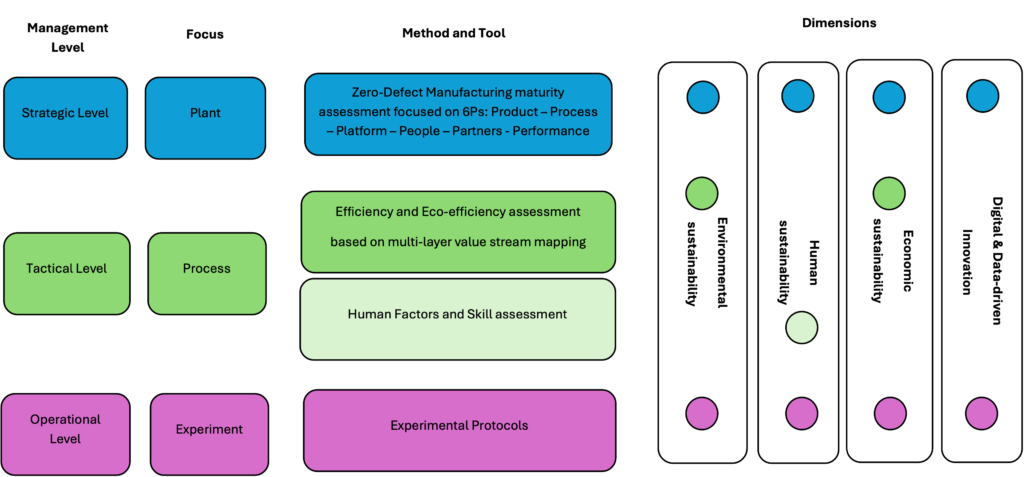
FLASH-COMP has published a new and robust evaluation framework that sets out the methodologies and tools needed for assessing the readiness levels of companies to adopt zero-defect manufacturing technologies. This is an important first step in ensuring the uptake of these technologies that will unlock the sustainable growth potential for European industry.
In efforts to streamline operations by applying digital technologies, industries are constantly evolving their methodologies to improve production processes, minimise product defects, enhance efficiency and cut costs. The introduction of zero-defect manufacturing (ZDM) strategies and technologies marks a significant leap forward in this journey and the integration of these technologies not only promises higher quality but also delivers improved sustainability within industrial processes.
The FLASH-COMP project is playing a key role in this activity by developing a fast and reliable quality control solution that uses artificial intelligence to help identify and remove defects during composite manufacturing processes. This is ZDM in action and the project has taken significant strides forward in developing and testing the technology involved.
As well as developing this digital technology, however, a key part of the project is also to establish a workable framework that will both assess a company’s readiness to adopt these digital solutions as well as provide a roadmap for their implementation. This important work is key to enabling the uptake of new technology that will eventually deliver better, cheaper and more sustainable products.
Now, project partners from POLIMI, INEGI, and ESTIA have published the first iteration of this sustainability evaluation framework that encompasses the methodologies and tools needed for assessing the readiness levels of companies to adopt ZDM technologies.
At its core, the evaluation framework revolves around three key assessments: zero-defect manufacturing maturity, efficiency and eco-efficiency, and human factors, each playing a crucial role in fostering the adoption of ZDM technologies.
The zero-defect manufacturing maturity assessment
The Zero-Defect Manufacturing Maturity Assessment serves as a compass, guiding companies through the stages of ZDM adoption. Built on the 6Ps digital maturity assessment model, previously developed by POLIMI, the assessment evaluates six dimensions: products, processes, platform, people, partnership, and performance. These dimensions are clustered into technical and socio-business pillars, providing a comprehensive view of the maturity of an organisation’s strategy, processes, people and technologies for ZDM implementation.
The maturity levels for each of these dimensions, ranging from initial to exploited, offer a roadmap for companies to gauge their progress towards achieving zero defects. From basic quality control processes to the integration of advanced practices, skills and technologies like machine learning and digital twins, each level signifies a milestone in the journey towards ZDM excellence.
Efficiency and eco-efficiency assessment
Efficiency and eco-efficiency are the cornerstones of sustainable manufacturing. The assessment methodology employed in the FLASH-COMP project encompasses both economic and environmental considerations. Through processes like multi-layer value stream mapping and eco-efficiency analysis, companies can identify inefficiencies, minimise costs, and mitigate environmental impacts.
Evaluating key performance indicators (KPIs) across different phases of manufacturing processes allows companies to streamline operations. By meticulously analysing processes before and after technology implementation, this approach aims to optimise resource allocation, minimise waste, and maximise added value. This holistic approach not only enhances competitiveness but also fosters responsible stewardship of resources.
The FLASH-COMP methodology helps identify those KPIs, so that companies can assess where they are and monitor progress towards implementing digital technologies that will allow them to deliver ZDM products to the market. Initially, FLASH-COMP will lay the groundwork by defining KPIs and configuring the tools.
Human factors assessment
In the age of automation, the human element remains indispensable and this is a central pillar in FLASH-COMP’s approach to ZDM. The human factors assessment within the project focuses on enhancing ergonomic design and usability of ZDM technologies for the workers involved as well as ensuring workers on the ground develop the necessary skills to make the most out of the new ZDM methods and technologies. By prioritising user feedback and incorporating ergonomic recommendations, companies can then enhance employee satisfaction, productivity, and overall system performance.
In essence, the goal is twofold: to streamline manufacturing processes and empower human capital. By leveraging these tools in conjunction with human-centric assessments, FLASH-COMP aims to pave the way for a seamless transition towards more sustainable and efficient manufacturing practices while simultaneously improving working practices and outcomes for workers.
Next steps: Implementation and impact
As the FLASH-COMP project progresses, the evaluation framework will be put into action across the testbed developed by INEGI and the industrial processes at the project’s use cases at the IAI and Azimut premises. Over the next six months, the project partners will roll out these tools across these two industrial facilities, collecting data and conducting analyses. Then, in the project’s concluding phase, it will reassess performance once FLASH-COMP technology has been implemented, to gauge the impact of its interventions.
Overall, through these online surveys, data collection, and one-on-one interviews, companies will be able to track their progress, identify areas for improvement, and derive actionable insights for future initiatives.
The ultimate goal of this FLASH-COMP sustainability assessment is not just to evaluate current performance but to enable transformative change. By harnessing the power of ZDM technologies and embracing sustainability principles, companies can unlock new opportunities for growth, innovation, and resilience in an ever-evolving industrial landscape.
In conclusion, the journey towards ZDM is not just about eliminating defects; it’s about embracing a culture of excellence, sustainability, and continuous improvement based on data. The evaluation methodologies and tools now established by the FLASH-COMP project lay the foundation for this journey, paving the way for a future where defects are not just minimised but eliminated altogether.